

Fall Allergies or Dry Eye Disease? How to Tell the Difference and Find Real Relief in Nampa
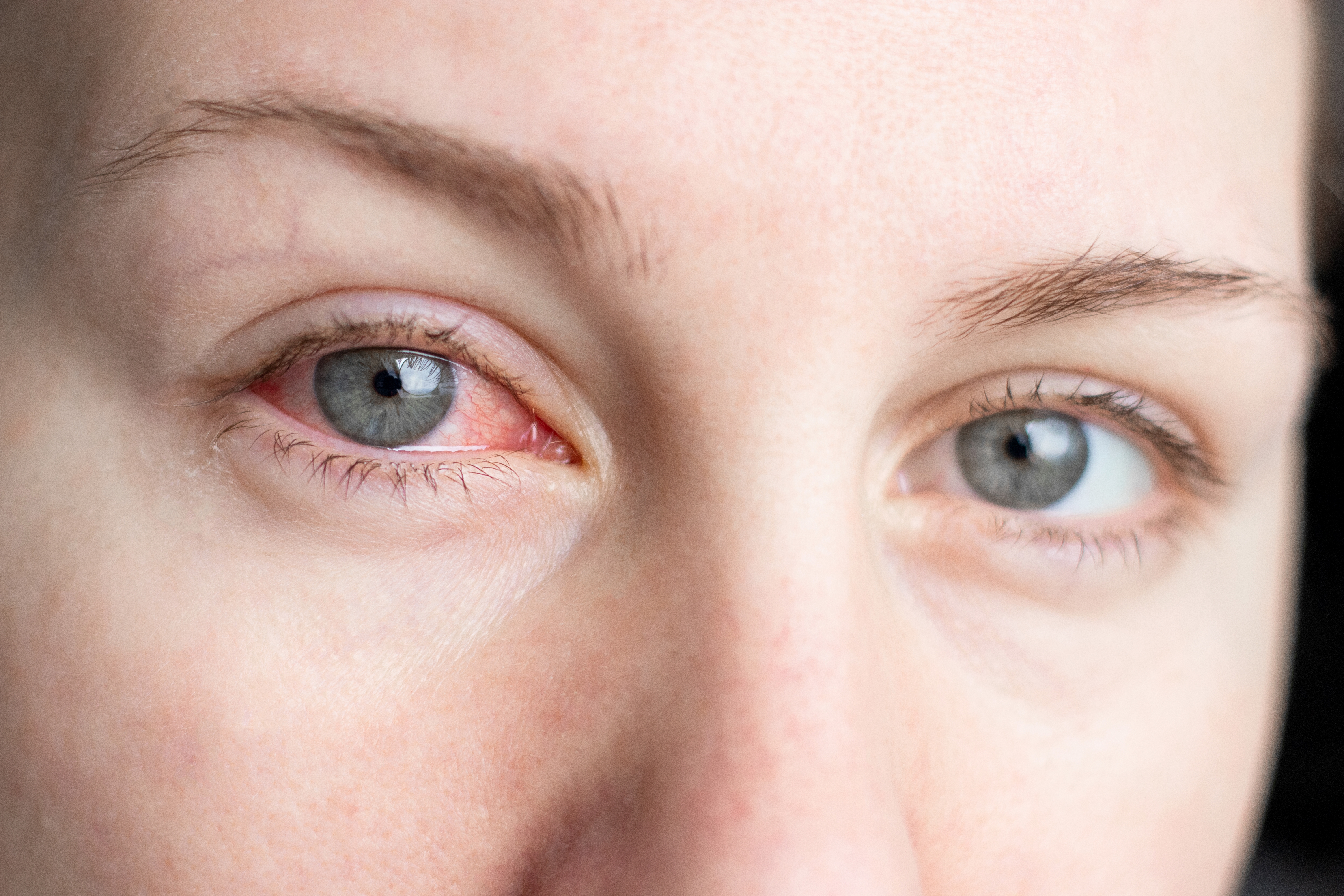
Fall in Nampa can bring cooler weather, changing winds, and seasonal allergens that leave many people dealing with red, irritated, or watery eyes. The challenge is knowing whether your symptoms are caused by fall allergies, dry eye disease, or a combination of both. Because these conditions can feel similar, identifying the underlying cause is an important step toward finding lasting relief.
Signs Your Eyes May Be Reacting to Allergies
Eye allergies occur when the immune system reacts to allergens such as pollen, dust, or mold. Itching is often one of the strongest clues that allergies are contributing to your symptoms.
Common signs of eye allergies include:
• Intense itching
• Red or watery eyes
• Puffy or swollen eyelids
• Symptoms that worsen around known allergens
• Sneezing, congestion, or other seasonal allergy symptoms
While over-the-counter allergy drops may provide temporary relief for some people, persistent symptoms deserve a closer look.
How Dry Eye Disease Feels Different
Dry eye disease develops when your eyes do not produce enough tears or when the tear film evaporates too quickly. Fall weather in Nampa, including cooler temperatures, wind, and increased indoor heating, can make dry eye symptoms more noticeable.
Dry eye often causes burning, stinging, grittiness, sensitivity to light, or fluctuating vision. Some people also experience excessive watering because irritated eyes may respond by producing reflex tears that do not adequately restore a healthy tear film. For patients who spend long periods looking at screens, symptoms can become more noticeable because blinking often decreases during concentrated near work.
Can You Have Allergies and Dry Eye at the Same Time?
Yes. Eye allergies and dry eye disease can occur together, making it difficult to determine which condition is responsible for your discomfort. Inflammation from allergies may disrupt the ocular surface, while certain allergy medications can also contribute to dryness.
This is why repeatedly treating red or irritated eyes with general eye drops may not provide the relief you need. A dry eye evaluation can help determine whether tear quality, tear production, eyelid inflammation, or meibomian gland dysfunction is contributing to your symptoms.
Finding the Right Dry Eye Treatment in Nampa
At EnVision Dry Eye Center, we evaluate the underlying factors contributing to dry eye rather than focusing only on temporary symptom relief. Specialized testing can help us assess tear production, tear stability, and the health of the ocular surface so we can recommend treatment based on your individual needs.
Depending on the cause and severity of dry eye disease, care may include at-home management, prescription or specialty eye drops, eyelid treatments, or advanced in-office dry eye procedures. The goal is to improve eye comfort while supporting a healthier, more stable tear film.
If red, itchy, burning, or watery eyes are making fall uncomfortable, schedule a dry eye evaluation with EnVision Dry Eye Center to find out what is really causing your symptoms and get the relief your eyes need. Contact our office in Nampa, Idaho, by calling (208) 490-8823 to book an appointment today.


Interested in our Services?
Request an appointment with this form to schedule a time with our professional staff!
- Monday:08:30 am - 05:00 pm
- Tuesday:08:30 am - 05:00 pm
- Wednesday:08:30 am - 05:00 pm
- Thursday:08:30 am - 05:00 pm
- Friday:08:30 am - 01:00 pm
- Saturday:Closed
- Sunday:Closed


© 2026 EnVision Dry Eye Center. All Rights Reserved. Accessibility Statement - Privacy Policy - Sitemap
Powered by 